
Old Friends, New Purpose
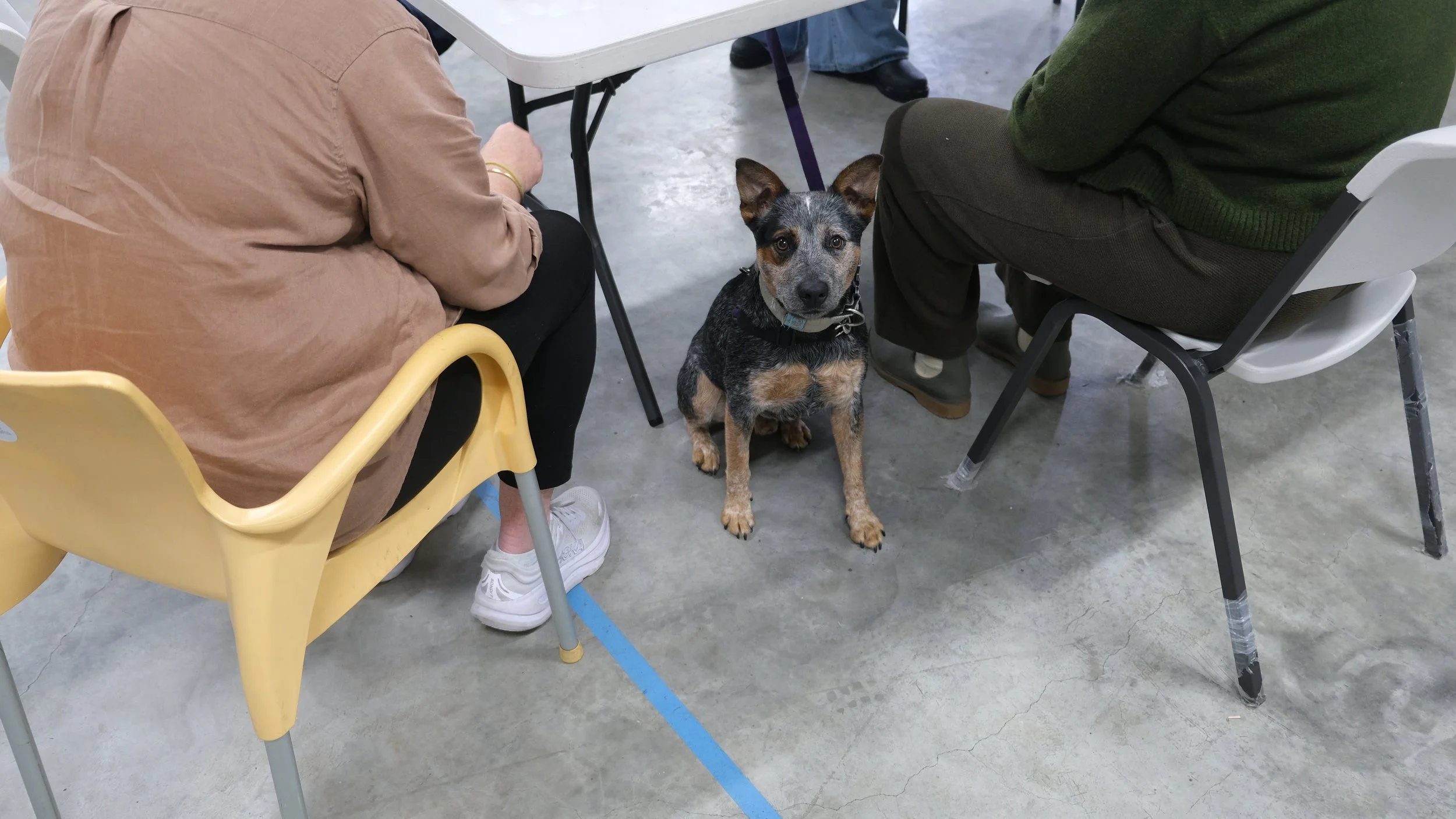
Mary and Lyn in session with rescue dog at RSPCA Brisbane Animal Care Camus
For many Veterans, the transition from military service to civilian life can be a challenging chapter to face. Whether their service was for weeks, years or decades, the loss of routine, shared mission, and deep camaraderie can leave a profound sense of disconnection. Finding purpose, structure, and meaningful connection, particularly with like-minded people, is not always easy. Unfortunately, many Veterans face profound isolation.
Happy Paws Happy Hearts’ (HPHH) Intensive Train Program was designed to address social isolation and disconnection head-on, while tapping into the deep desire many veterans have to continue serving in meaningful ways. Through structured, hands-on animal training, the program helps rebuild confidence, ease anxiety and feelings of loneliness, and foster genuine connection with like-minded people on similar journeys.
For participants like Mary and Lyn, it offers a renewed sense of camaraderie, routine, purpose and belonging alongside the opportunity to make a positive difference in their community.
HPHH’s most recent Intensive Train Program ran from July to December 2025 and was supported through generous grant funding from Collier Charitable Fund. Delivered at RSPCA Brisbane Animal Care Campus in Wacol, the 24-week program welcomed four Veterans who developed practical animal care and training skills. Their work helped improve the welfare and adoptability of shelter animals, giving them a better chance at a second home.
For Mary and Lyn (please note names have been changed to protect the privacy of participants), the program became something more: a place of reconnection, mutual support, and quiet healing.
Mary joined the Air Force at just 19 years old and served for 23 years. Like many defence families, frequent relocations shaped her life—five primary schools for her daughters, years spent away from extended family, and their sense of home always temporary. Her husband also served for more than three decades.
Medically discharged in 2013, Mary parallels returning to civilian life as “learning another language.” Navigating healthcare systems, managing appointments, and adjusting to a world without a shared end goal was confronting. Isolation, frustration, and the invisible weight carried by many Veterans became part of her and her family’s life.
Lyn’s journey mirrored many of these challenges, however her transition from service was only just beginning. Mary and Lyn had worked together years earlier, staying loosely connected over time. It wasn’t until a random, unexpected encounter at a shopping centre where they ran into each other that they reconnected again. On learning that Lyn was preparing to discharge, Mary shared the new program she was about to join: HPHH’s Intensive Train Program; and suggested Lyn join too.
“I felt like I’d already been down the road she was starting,” Mary shares. “And maybe I had something to offer.”
For almost 24 weeks, Mary and Lyn travelled together to the RSPCA Brisbane campus. They arrived early to share lunch at the Café to talk about life (both reconnecting over shared experiences and new things), before stepping into the newly familiar rhythm of the program.
For Mary, this routine mattered. “I look forward to going each week,” she says. “It gave me something small and positive to experience that was just for me.”
Working hands-on with dogs in training, participants see near-immediate results when applying the right techniques. For Veterans used to clear feedback loops and practical outcomes, this can be deeply affirming.
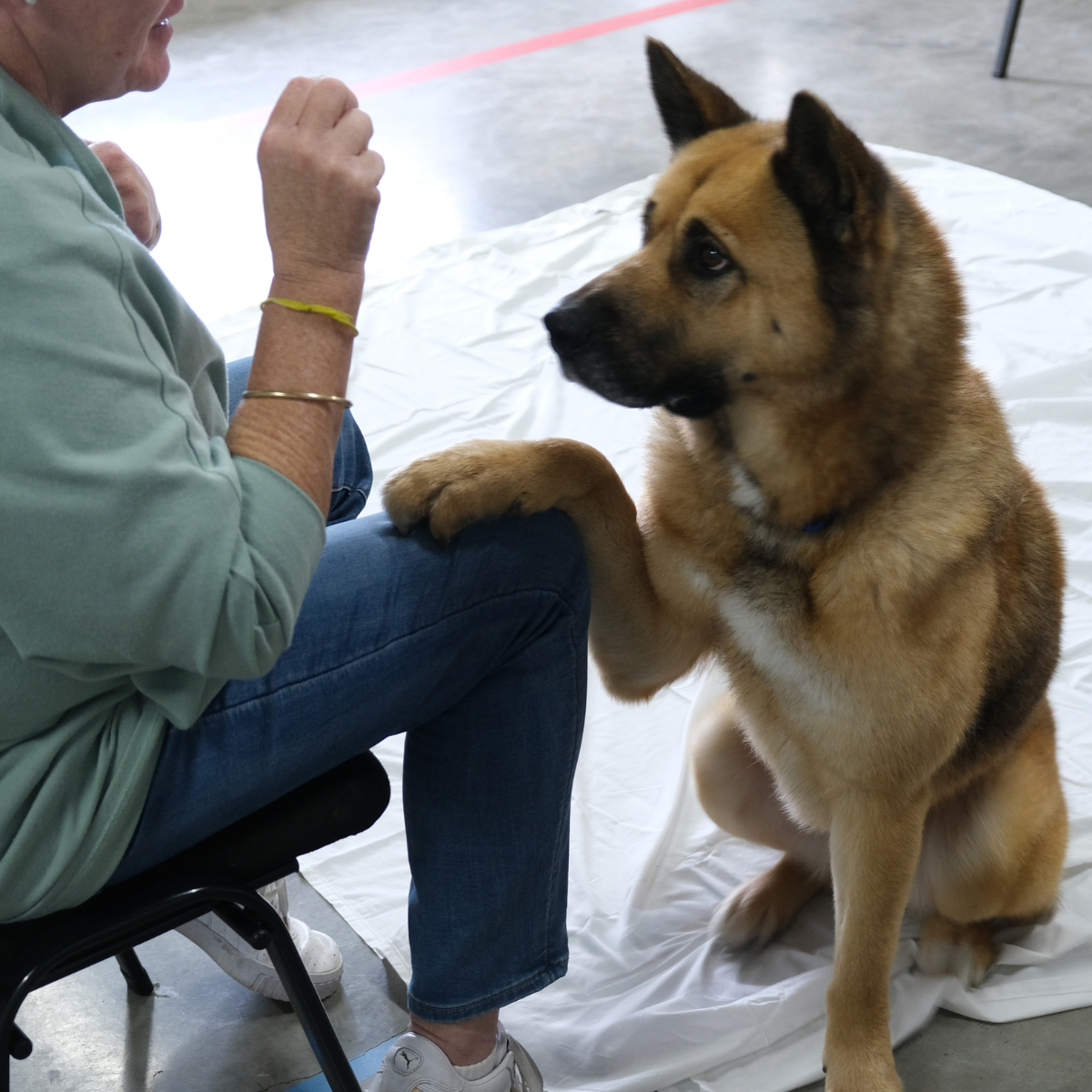
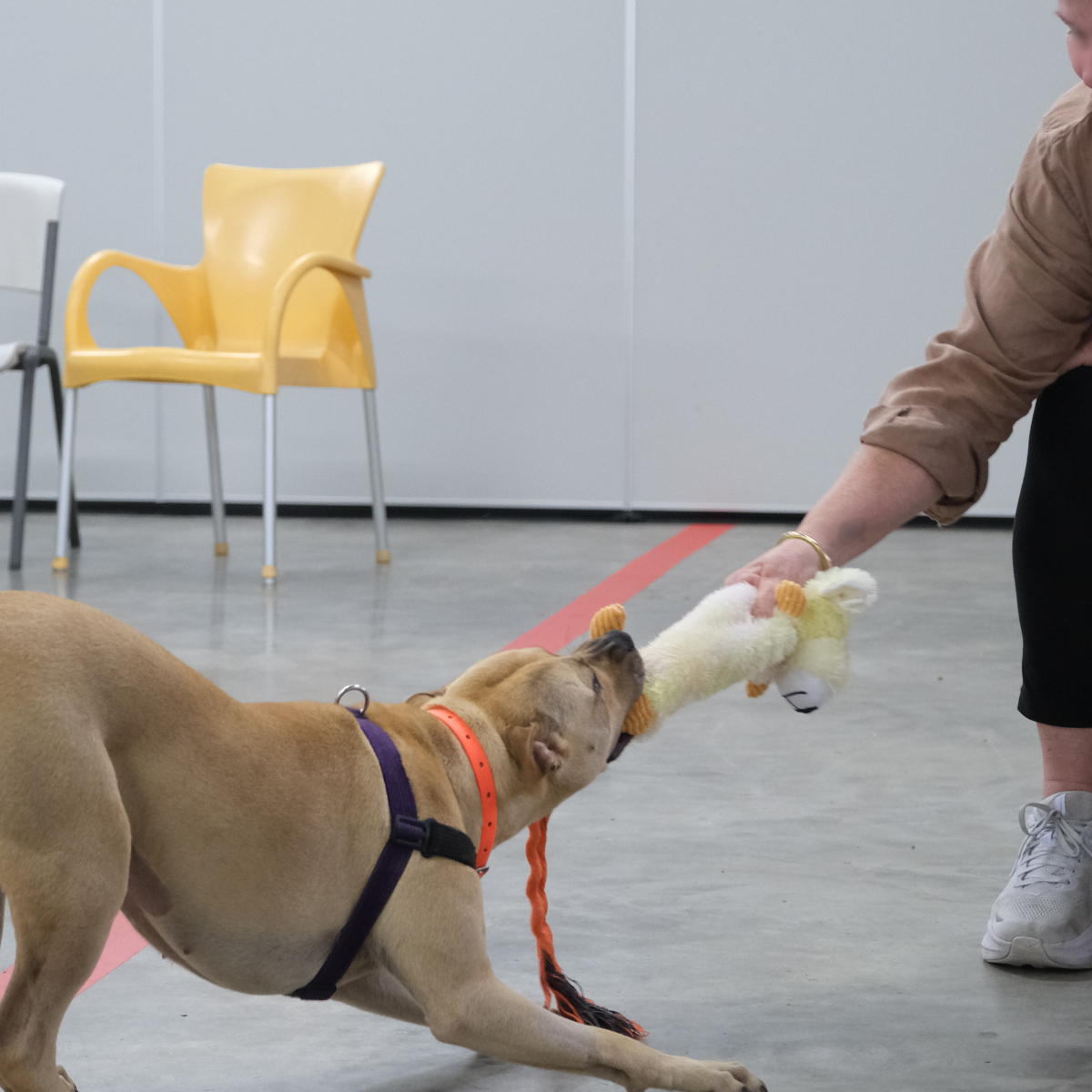
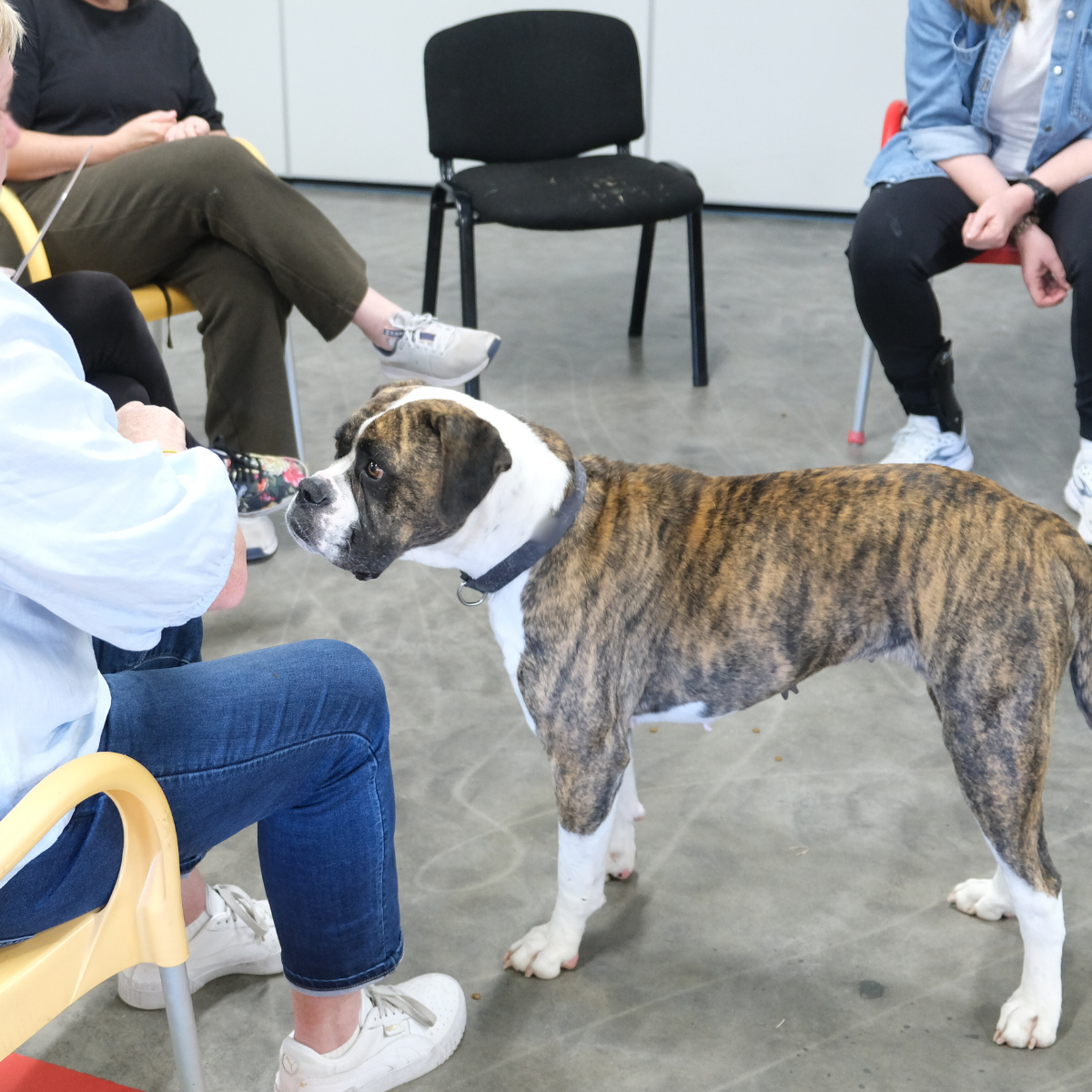
“Seeing the progress of your training on these animals and knowing you’re making a difference to their days and lives—especially when you hear one you’ve worked with has been adopted—that’s incredibly rewarding,” Mary explains.
One standout moment involved working with a rescue dog obsessed with a tennis ball. While this is a common behaviour, particularly in working breeds, it can affect the dog’s wellbeing and the bond with its human if left unaddressed. Through the program, participants learned techniques to help the dog enjoy a more balanced interaction—finding fun with balls while also engaging with other activities and stimuli.
“That was incredibly rewarding,” she says. “It reminded me that with the right approach, change is possible.”
Unlike many support programs, the Intensive Train Program doesn’t require participants to focus on their personal histories. Instead, connection happens naturally—side by side, through shared experience with others and animals in need.
“It’s not focused on health or personal journeys,” Mary explains. “You can forget about the day-to-day for a short while and enjoy the moment.”
Each participant, while on a different path, was bound by a new shared experience. For Mary and Lyn, their friendship deepened in quiet, practical ways by showing up, supporting one another, and simply being present.
At the heart of the program is a powerful reciprocity: as participants help rescue animals build confidence and readiness for adoption, they too rediscover their own sense of purpose.
“I might have been dealing with the weight of mental health, either my own or my family’s, but coming to HPHH and looking into those big dark dog eyes each week was a simple yet powerful experience,” Mary shared.
The bond formed with animals, combined with routine, skill-building, and meaningful contribution, offers Veterans a way forward, one which doesn’t require revisiting the past, but by creating something good in the present.
When asked what she would say to other current or ex-serving ADF members considering the program, Mary shared:
“I would definitely recommend it. I really appreciate the opportunity this program has provided. The challenge, the dogs, the connection to my old friend—it’s all been a blessing during this time.”
If you are a current or ex-serving ADF member (or if you support, care for, or know someone who may benefit), we invite you to learn more about our Intensive Train Program by visiting our website page or getting in contact with our friendly Participant Experience Team on 1300 077 984 or by emailing at hello@hphhfoundation.org.
We currently have vacancies available at our Wacol (Queensland) and Darwin locations*, and encourage interested participants or supporters to visit our Intensive Train Program page and submit an enquiry!
*Currently, HPHH only offers the Intensive Train Program year-round at Wacol and Darwin. On occasion, HPHH will run short-term (24-week programs). If you are located in other states/regions but are interested in this Program, please get in contact with us to note your interest for potential future offerings.